
Circular Supply Chains
Why Circular Supply Chains?
In the past decades our supply chains have been focusing on highly efficient processes to transform raw materials into products, distribute these to customers, and conveniently dispose of after use. But these linear supply chain practices are not sustainable.






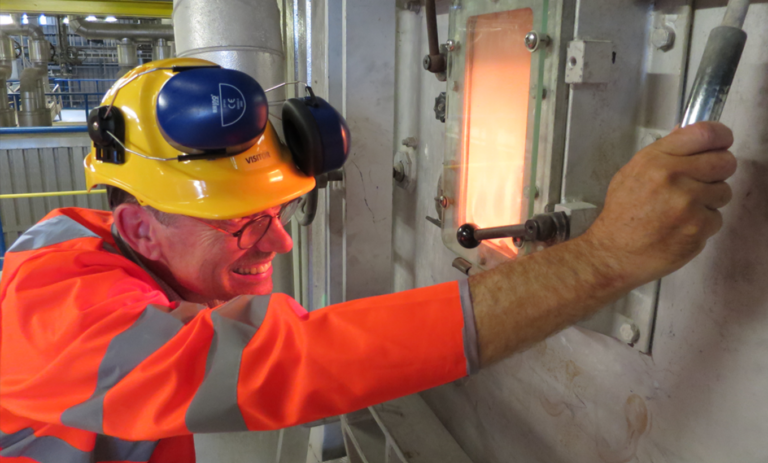

Call for action in supply chains
Supply chain managers are challenged to mitigate the CO2 impact and secure the supply of raw materials. They are taking initiatives on transport, energy reduction, green energy, waste reduction and packaging, but unfortunately the impact is marginal if the linear material flow continues. Recycling is an opportunity to recover materials, but despite great developments in technology, recycling rates are still limited, energy efficiency is low and recycling costs are high.
So, we need to develop other methods to increase the effectiveness of the materials in the products that we use. In a Circular Economy we are reducing the need for materials, we enable efficient and extended product use, and we recover products, parts and materials after use. This opens a new and exciting scope for supply chain management. In Circular supply chains it is no longer about pushing materials and products in a one-directional linear chain. Instead, the focus is on keeping products, parts and materials in use and in circulation.
Circular Supply Chains enable the re-use of products and materials
Chains to Circles identifies four main processes in a circular supply chain:
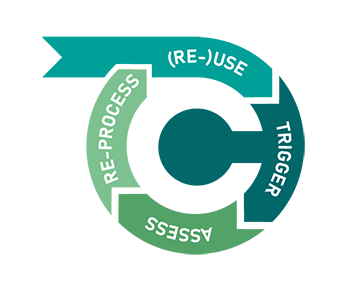

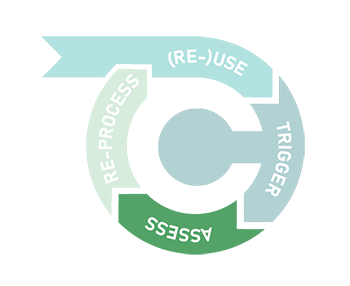
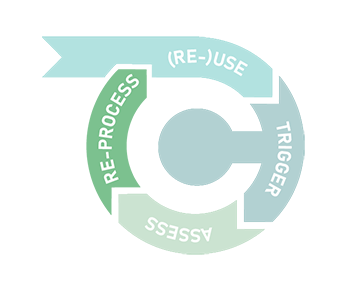


The size and complexity of the circular loops can differ, depending on product characteristics and business models. Cleaning for re-use or simple repairs can often be conducted by the end users, whereas more specific or complex reprocessing activities may require local, regional or even global services, which can be provided by the manufacturer or service providers. Critical success factor in the circular supply chain design:
• convenience for the user to enter the product into circular supply chain
• efficiency of collection, sorting, triage and reprocessing activities.
When a company is transitioning to circular business models, supply chain is a critical enabler. The full circle needs to be supported, which requires a scalable circular value chain design with adequate processes, systems, service providers and a transformation from a linear to a circular mindset.
Chains to Circles advises in the design of circular supply chains, the development of the circular processes and the transformation from linear to circular.